One day, your dog is enjoying a belly rub, and you notice a small bump that wasn’t there before. Naturally, questions start running through your mind. Is it just a harmless growth? Could it be a sign of cancer in dogs? Should you schedule a veterinary appointment right away?
The reassuring news is that many lumps on dogs are not cancerous. However, even a seemingly harmless bump should still be checked by a veterinarian in Wolfforth, TX. Frenship Vet Clinic is a locally-owned veterinary practice that offers skin checks for pets with lumps and bumps.
Are All Lumps on Dogs Cancerous?
No. Dogs develop lumps for many reasons, and some are completely benign. For instance, lipomas are fatty growths that frequently occur in middle-aged and older dogs. Cysts, warts, and localized inflammation can also create bumps beneath or on the skin.
Unfortunately, some cancerous growths can look and feel almost identical to benign ones. Cancer in dogs becomes more prevalent with age, although younger dogs can also develop certain types of tumors.
According to the American Veterinary Medical Association, approximately one in four dogs will develop cancer during their lifetime, which is one reason veterinarians encourage owners to pay attention to new growths and changes in their dog’s health.
What Are the Warning Signs of Cancer in Dogs?
While an unusual lump may be the first noticeable symptom, cancer in dogs can cause other changes that aren’t always immediately recognizable.
Some warning signs to watch for include:
- New or changing lumps: Growths that appear unexpectedly, increase in size, or change in appearance.
- Unexplained weight loss: Losing weight without a change in diet or exercise.
- Sores that won’t heal: Persistent wounds or irritated areas that fail to improve.
- Unusual bleeding: Bleeding from the nose, mouth, or other body openings.
- Changes in appetite or energy: Eating less, sleeping more, or showing reduced interest in normal activities.
- Difficulty breathing: Persistent coughing, labored breathing, or unusual shortness of breath.
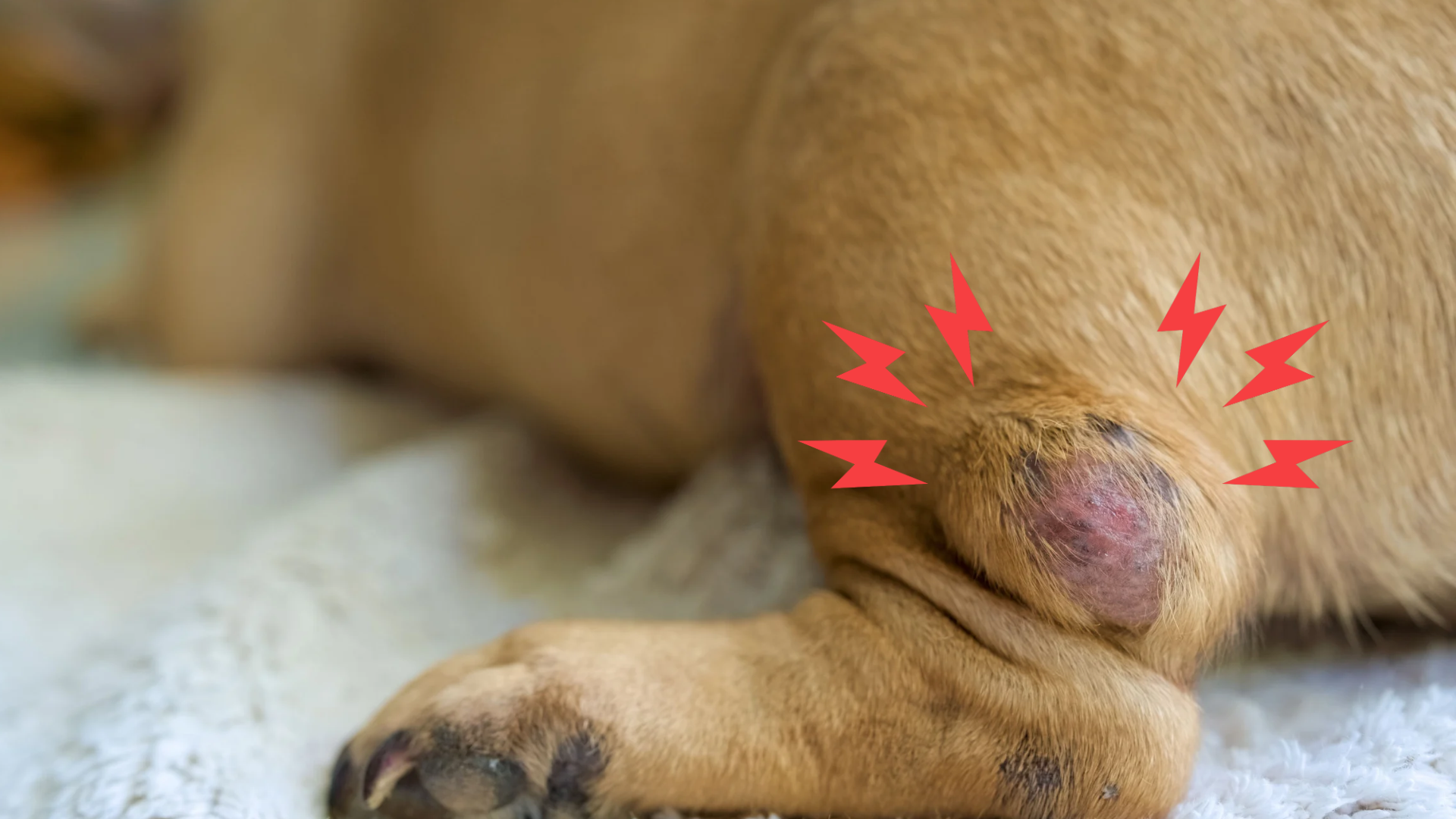
What Should I Do If I Find a Lump on My Dog?
First, avoid squeezing or attempting to remove the growth. Instead, make a note of where it’s located and its approximate size. You might take a photograph with a ruler nearby so you can document visible changes.
The next step is to arrange a visit for your dog to Frenship Vet Clinic. A veterinarian will assess the growth and consider your dog’s medical history, age, and overall health. Depending on the findings, a needle sample, biopsy, or additional diagnostic testing may be recommended.
If cancer in dogs is diagnosed, your veterinarian can explain the findings and discuss treatment options or specialist referrals based on your pet’s individual needs.
How Can I Check My Dog for Lumps at Home?
Regularly checking your dog’s skin is a simple way to become familiar with what’s normal for them. It’s especially valuable as dogs enter their senior years.
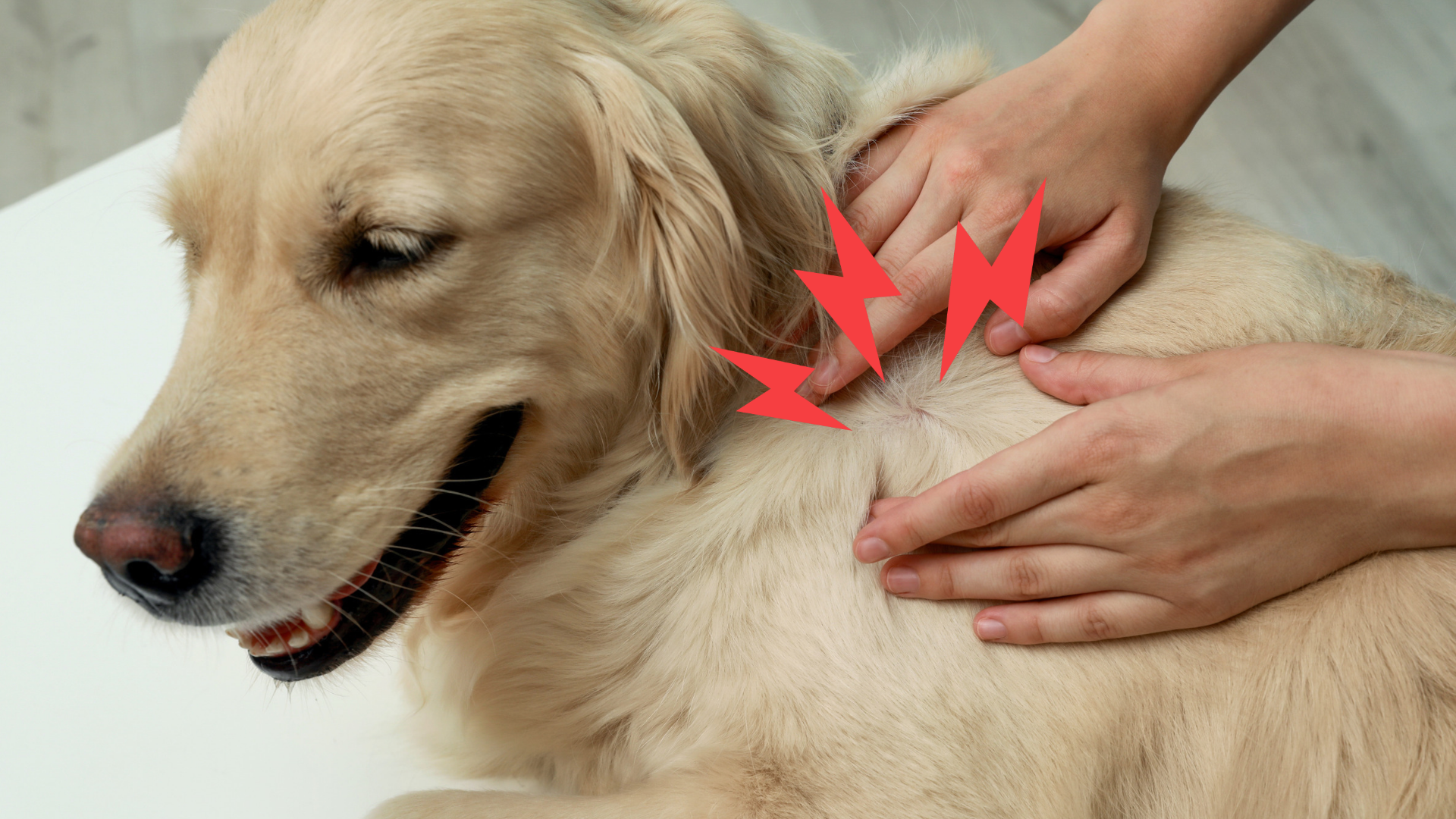
During brushing, bathing, or cuddle time, gently feel along your dog’s back, chest, stomach, neck, and legs. Remember to examine less obvious areas, such as beneath the collar, around the tail, and between the toes. If your dog is comfortable with it, take a quick look inside their mouth for unusual swelling or growths.
Keep track of anything new, including small bumps that don’t appear painful. Changes in size, shape, or texture should be discussed with your veterinarian.
Can Dogs Have Cancer Without a Visible Lump?
Yes. Not every type of cancer in dogs produces a noticeable bump on the skin.
Some cancers affect internal organs, blood cells, or tissues deep within the body. Instead of a visible growth, a dog may experience ongoing digestive problems, unexplained fatigue, abdominal swelling, or changes in appetite.
If your dog develops persistent symptoms or starts behaving differently, a veterinary examination can determine whether further investigation is necessary.
Have Your Dog’s Lump Examined in Wolfforth, TX
Discovering a lump doesn’t automatically mean your dog has a serious illness. Still, getting it examined is the best way to understand what you’re dealing with and determine whether treatment is needed. Frenship Vet Clinic has proudly served the local community since 2001, providing veterinary services for dogs and cats in Wolfforth, Lubbock, Shallowater, and surrounding areas.
If you’ve noticed a new lump on your dog or a growth that has started changing, schedule an appointment with Frenship Vet Clinic.